Office Cleaning
Focus on High-Touch Office Surfaces
Offices are shared spaces where employees, visitors, and clients frequently touch the same surfaces throughout the day. Desks, door handles, keyboards, and light switches can quickly collect dirt, fingerprints, and germs.
Regular cleaning of these high-touch areas helps maintain a tidier workplace and supports better everyday hygiene. A consistent routine also makes it easier to keep shared workspaces comfortable and presentable.
Learn which office surfaces need extra attention and how to clean them safely as part of your daily workplace cleaning routine.
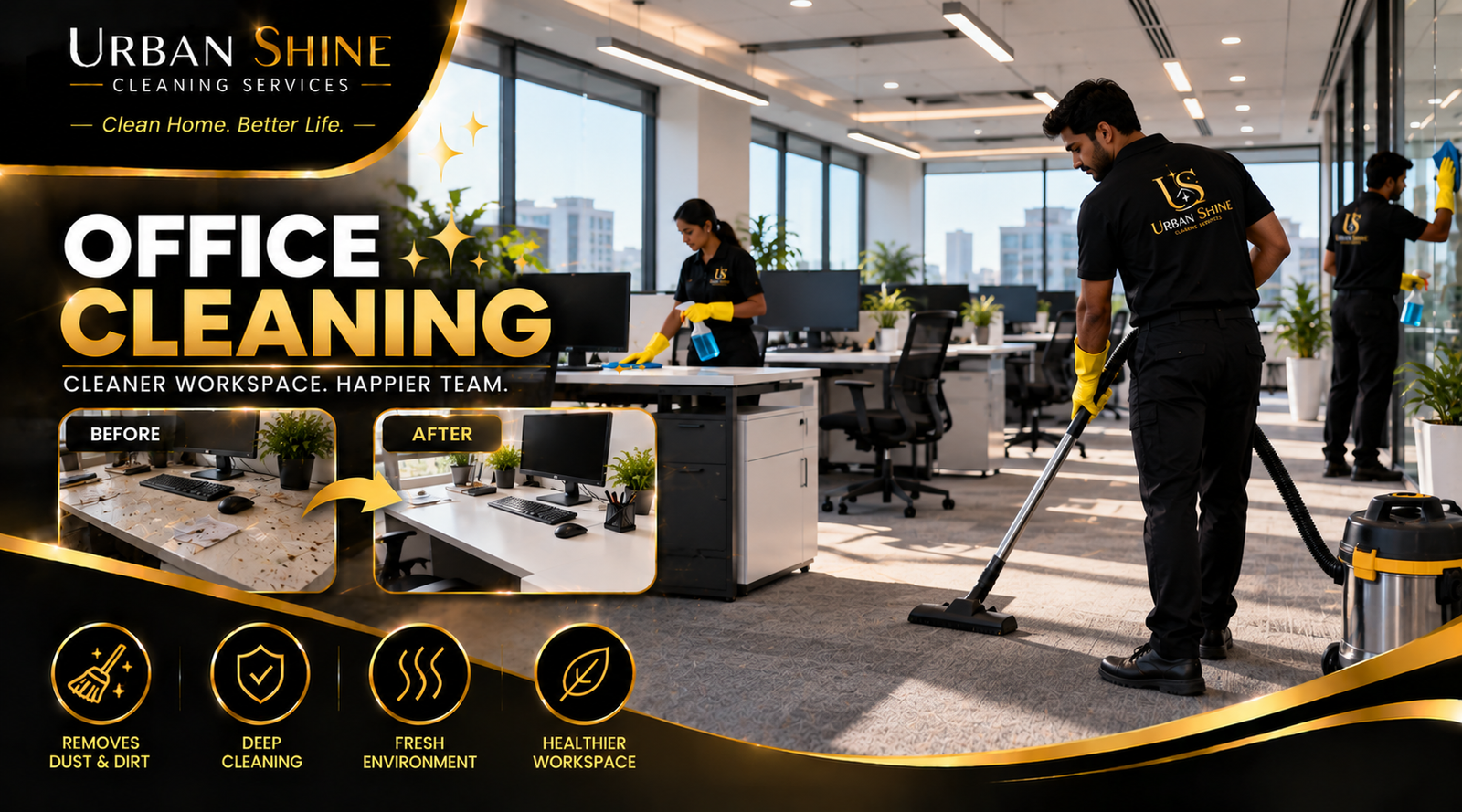
Identify High-Touch Office Surfaces
Start by identifying the areas that people touch most frequently. Common examples include door handles, drawer pulls, lift buttons, light switches, shared desks, meeting-room tables, and reception counters.
Shared equipment such as printers, telephones, keyboards, mice, and photocopier controls may also need regular attention. Create a simple checklist so these areas are not overlooked.
Clean Door Handles and Light Switches
Door handles and light switches are touched repeatedly throughout the workday. Wipe these surfaces with a suitable cleaning product and a clean cloth, following the product label and the surface manufacturer's instructions.
Avoid spraying liquids directly onto switches or electrical fittings. Apply the product to the cloth when appropriate, and make sure electrical components are not exposed to moisture.
Keep Desks and Meeting Tables Clean
Work desks and meeting tables can collect dust, food crumbs, fingerprints, and everyday dirt. Remove loose debris first, then wipe the surface using a cleaner suitable for its material.
Encourage employees to keep personal items organised and clear away cups, wrappers, and leftover food. Cleaning an uncluttered surface is faster and more effective.
Pay Attention to Shared Electronics
Keyboards, computer mice, telephones, and shared office equipment require careful cleaning because they contain sensitive electronic components. Follow the manufacturer's instructions and use products specifically approved for the equipment.
Switch off or unplug devices when the manufacturer recommends it. Never pour liquid onto electronics, and do not use ordinary surface disinfectants unless they are confirmed to be suitable for the device.
Clean Breakroom and Kitchen Touchpoints
Office kitchens and breakrooms contain several frequently touched surfaces, including refrigerator handles, microwave controls, cabinet pulls, and taps. Clean these areas regularly, especially when multiple employees share them.
Use food-contact-safe products where required, follow label directions, and rinse food-contact surfaces if the instructions specify it. Keep cleaning cloths clean to avoid spreading dirt between different areas.
Follow a Consistent Cleaning Schedule
The right cleaning frequency depends on how many people use the office, the type of work being done, and how frequently surfaces become dirty. High-use shared areas may need attention more than once a day.
Assign responsibility for cleaning tasks and maintain a checklist for door handles, shared equipment, meeting rooms, and breakrooms. A clear schedule helps ensure important surfaces receive consistent attention.
Understand the Difference Between Cleaning and Disinfecting
Cleaning removes dirt and many germs from surfaces, while disinfecting uses an appropriate product to kill specified germs. Some situations may require both steps, depending on the surface and the product instructions.
When disinfection is necessary, choose a suitable product and follow its label, including the required contact time. Never mix chemicals or assume that a quick wipe provides the full disinfecting effect.
Encourage Good Workplace Hygiene
A clean office is easier to maintain when everyone contributes. Encourage employees to wash their hands, clean up spills promptly, and report areas that need extra attention.
Provide suitable cleaning supplies where appropriate and remind staff to follow workplace procedures. Small, consistent habits can help keep shared spaces cleaner and more organised.